Why this service exists
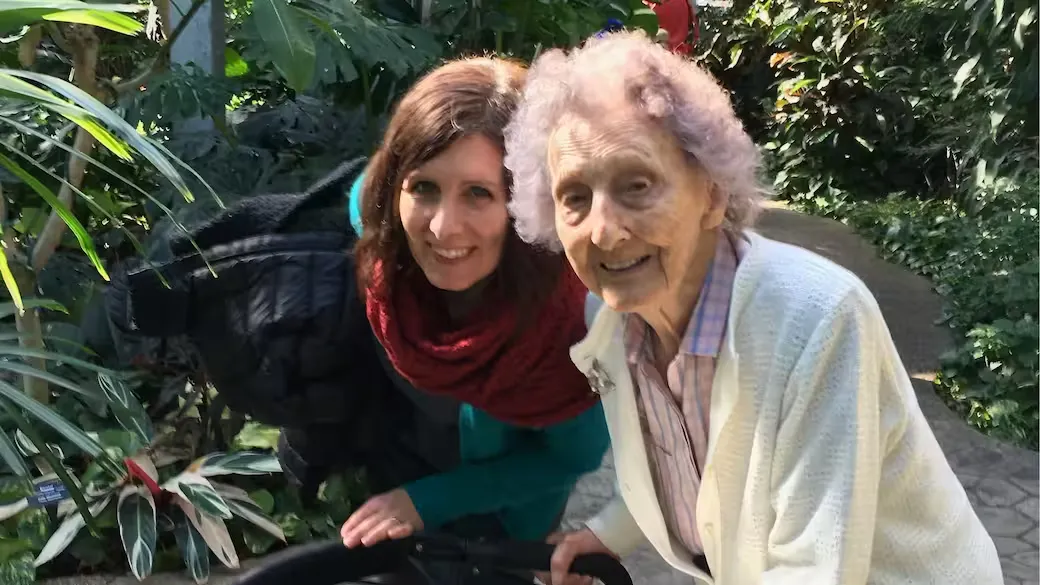
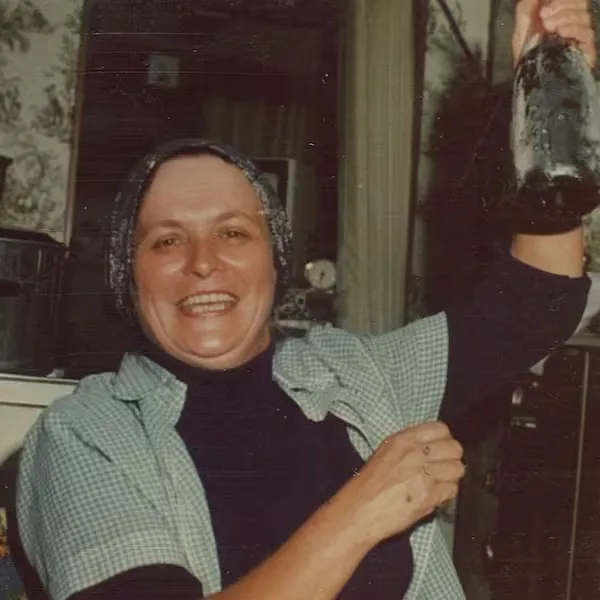
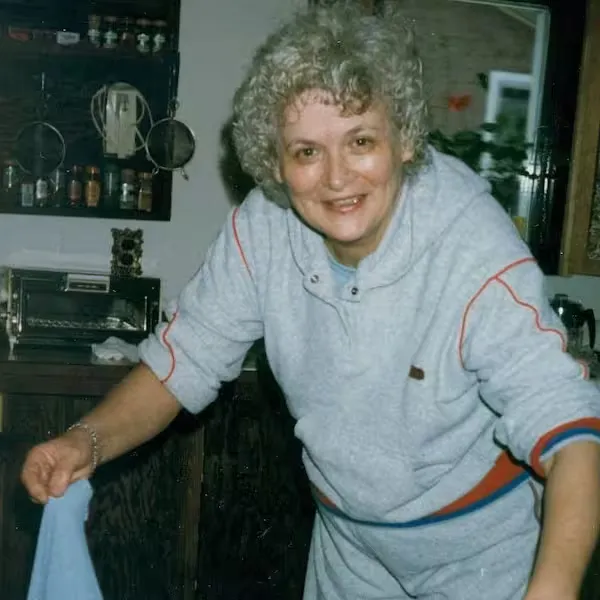
MyOwnHomeCare started with two grandmothers — Phyllis and Thelma.
Two grandmothers
Phyllis was the daughter of a Lithuanian immigrant who brought her children to Canada alone. She grew up in St. Catharines, Ontario — they kept a milk cow in the back yard — and after marrying, she remained in the same small brick house for more than sixty years. When she finally moved into assisted living, her dementia worsened quickly, and she was transferred to a memory-care facility. It was a difficult transition for her.
Thelma was the daughter of Finnish immigrants who settled first in Northern Ontario and then in Squamish, BC. She was active all her life and loved cross-country skiing. After her husband died, depression set in and a gradual cognitive decline followed. While her body remained healthy, her dementia progressed steadily. She spent fifteen years in an advanced care ward before she passed away.
Both received good care. But anyone who has watched a parent or grandparent decline knows the feeling that something more was possible — that small things, noticed sooner or done with more attention, might have made a real difference.
That feeling is what started this service.
We're a married couple running a small, independent service — not a franchise. We take on new clients carefully, and only when we can serve them well. Marcie retrained as a Registered Care Aide after a career in environmental science. Paul handles operations, communications, and the business side, drawing on many years in small-business management.
How we run this service
Good caregiving is harder than it looks. The work is physically demanding, emotionally taxing, and sometimes messy. The caregivers who do it well combine practical competence with genuine attention to the person in front of them. Paying them as the skilled professionals they are is the only way to ensure high-quality care. Our clients act as our partners in helping us to attract and retain the very best.
A few principles shape how we run the service and attract the very best caregivers:
- We pay our staff well.
- Our Registered Health Care Assistants are paid above BC's Living Wage — the hourly rate calculated annually as what a household actually needs to cover basic expenses in this region — and at rates that compete with public-sector elder care. People who are well compensated stay longer, do better work, and bring their full attention to it.
- We recruit actively.
- We don't wait for applications. We seek out the best caregivers we can find, mostly through our own professional network.
- We consolidate hours.
- Cobbling a living together from one and two-hour shifts can be difficult and exhausting for caregivers. Where it suits the client's needs, we build longer, scheduled shifts that create both an attractive work environment and an opportunity for unrushed care.
- We keep teams small.
- Each client is supported by a small, consistent team — usually two or three caregivers who know the client, the routine, the preferences, and the household. Caregivers sometimes get sick, or take vacations or move; a small team gives you continuity without excessive churn. More than one set of eyes also tends to catch more.
- We run lean.
- Care organizations do carry heavy regulatory and administrative obligations, but those obligations can be efficiently fulfilled. We use current scheduling, documentation, and accounting tools, as well as a virtual office, to keep overhead down.
Want to know more?
If you have questions about who we are or how we work, call or send a message. We're happy to talk.